


🏮Senso‑ji Temple
Senso‑ji is Tokyo’s oldest temple and a symbol of traditional Japan. The approach to the temple along Nakamise Street is lively, lined with shops selling traditional snacks and souvenirs. Families can enjoy the beautiful pagoda, make wishes at the incense burner, and soak in the atmosphere of old Tokyo.
⛩️Meiji Shrine
Tucked into a forested area near Harajuku, Meiji Shrine feels like a peaceful retreat from the city. It’s a great place for families to walk through the torii gates, write wishes on ema (wooden prayer plaques), and experience Shinto traditions in a calm environment.
The wide paths make it stroller, and group‑friendly.
🎏Edo‑Tokyo Museum
This museum (in the Ryogoku area) offers a fascinating look into Tokyo’s past as the city of Edo. Children and adults can explore life‑size models of Edo‑period buildings, a replica of the Nihonbashi bridge, and displays about daily life in historical Tokyo. It’s very educational and immersive, perfect for groups who want more than surface-level sightseeing.
🌸Yushima Tenmangu Shrine
A historic Shinto shrine in Bunkyō, dedicated to the kami of learning, Sugawara no Michizane. In spring, the plum blossoms (ume) are especially beautiful, making this a photogenic spot for families. It’s also less crowded than some of Tokyo’s more famous shrines, making visits with big groups more relaxing.
🖼️Shitamachi Museum
Located in Ueno, the Shitamachi Museum preserves traditional Edo‑Tokyo street life and culture. Kids can explore old wooden homes, shop facades, and displays showing how families lived in Tokyo during earlier eras. It’s a small but rich museum that gives a very grounded sense of Tokyo’s history.
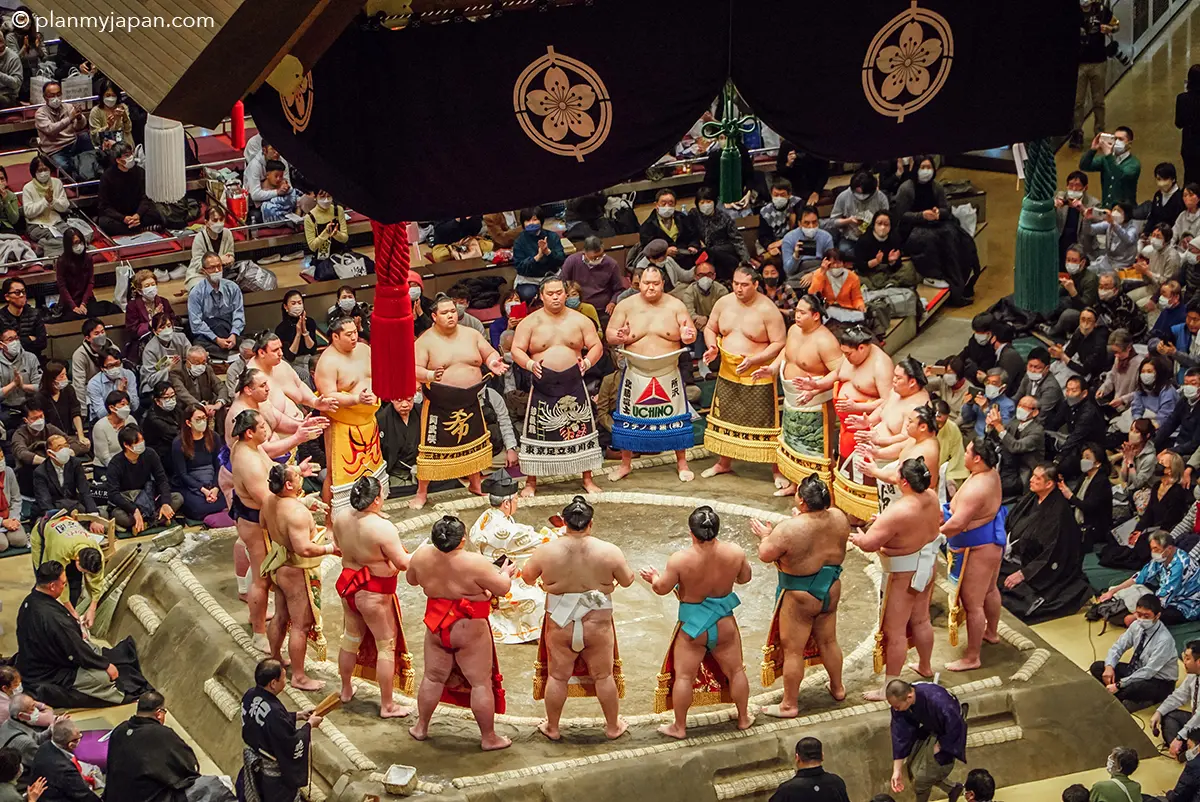
🤼♂️Ryogoku / Sumo Cultural Stop – Kokugikan or Sumo Museum
Located in the Ryogoku district, the Ryogoku Kokugikan is Tokyo’s sumo stadium and cultural hub. Even when there is no match, visitors can explore the nearby Sumo Museum, which exhibits tools, photos, and history of sumo wrestling. It’s an exciting way for families to connect with a uniquely Japanese sport and its traditions.
Tips for Visiting These Cultural Spots with Your Family
- Visit early in the morning or late afternoon to avoid crowds, especially at temples and shrines.
- Bring a small bag for shoes if you’re planning to enter temple buildings or traditional areas.
- Explain the basics of shrine etiquette to children (like bowing and washing hands), it can become a fun cultural lesson.